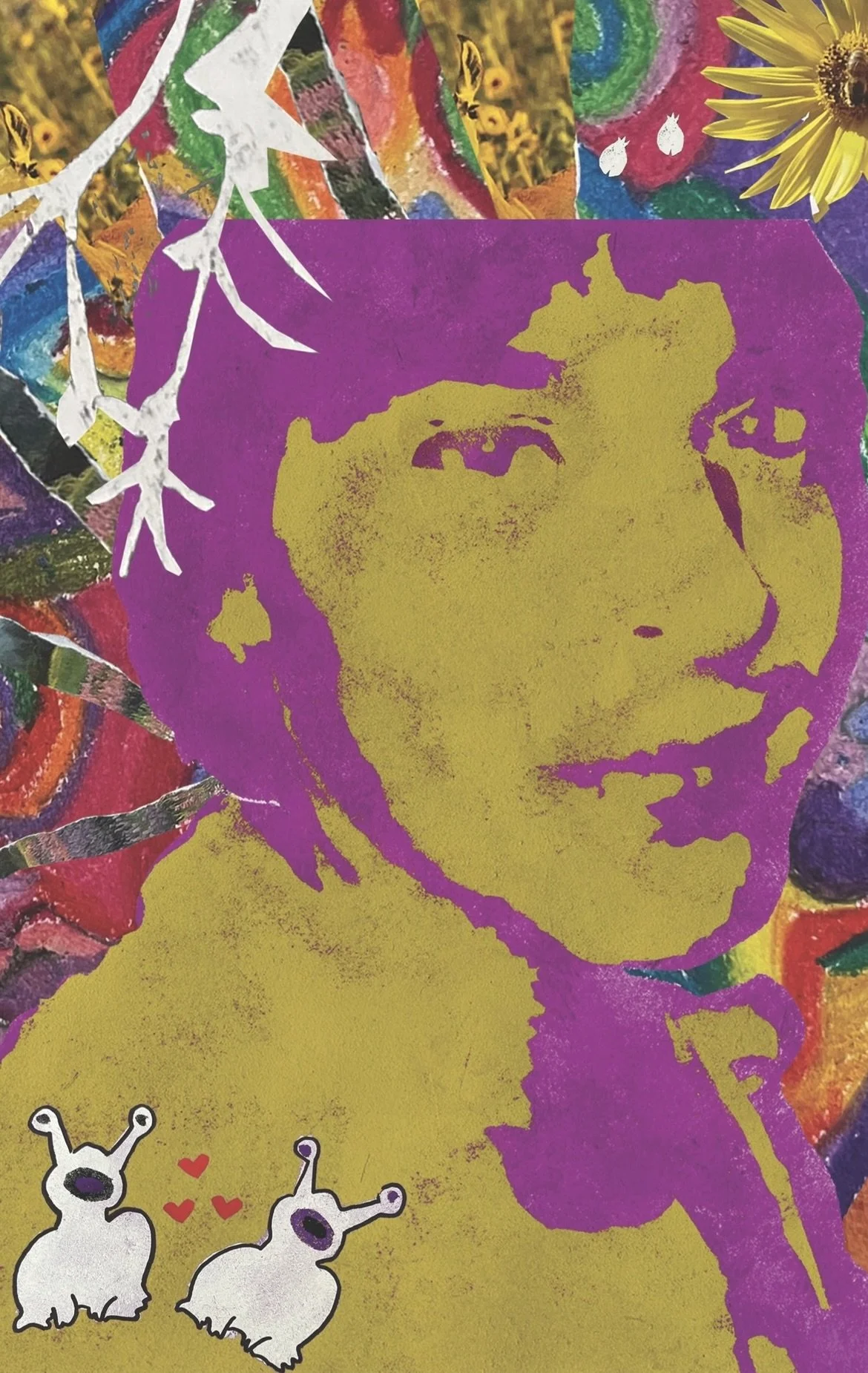
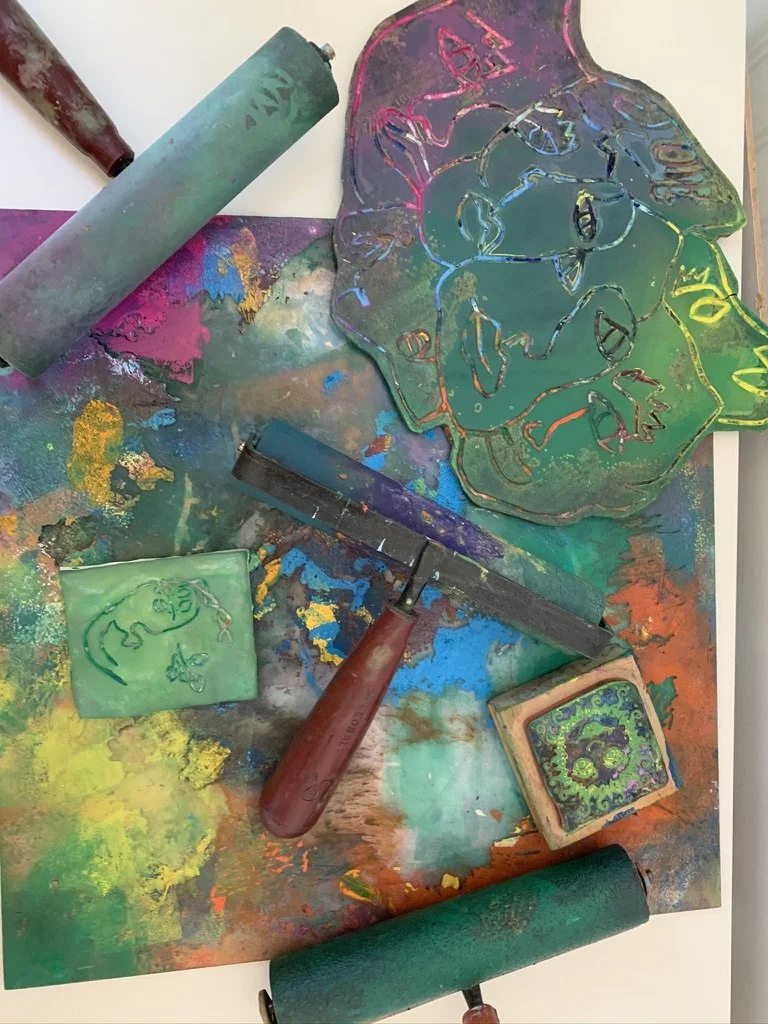
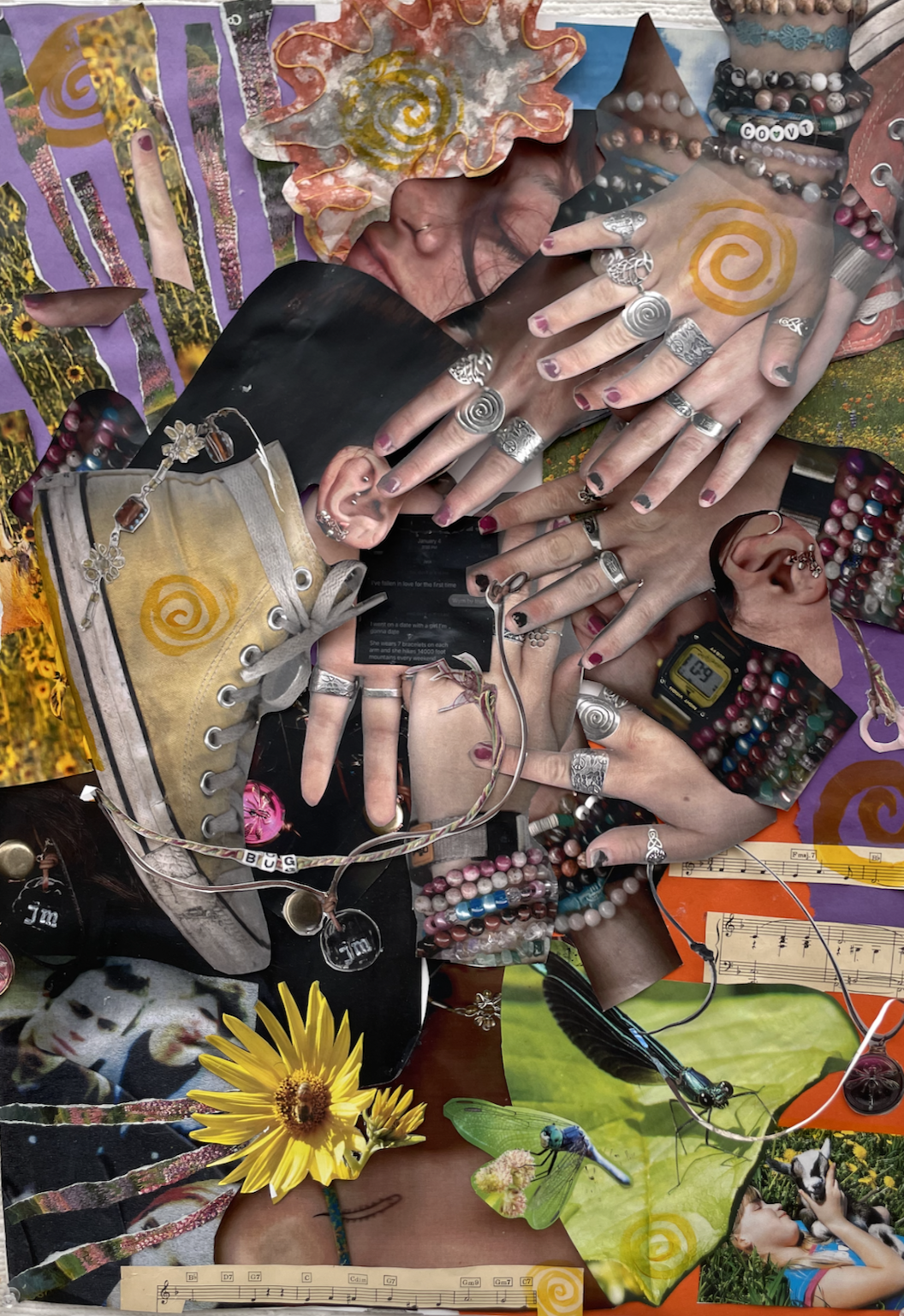
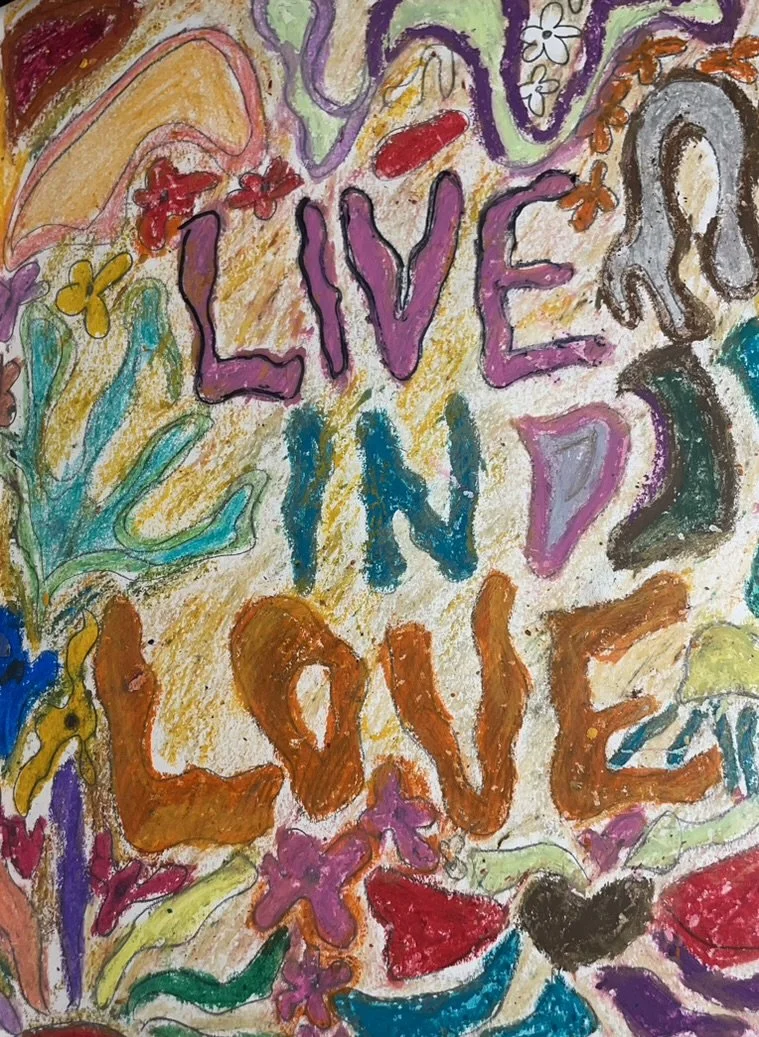
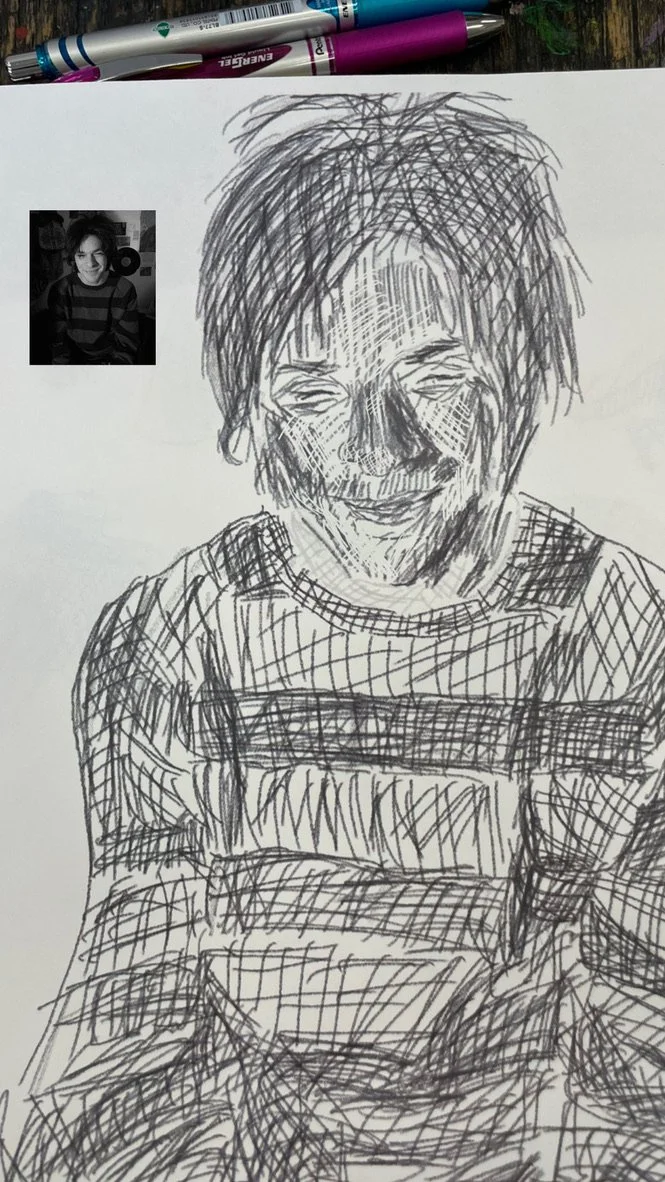
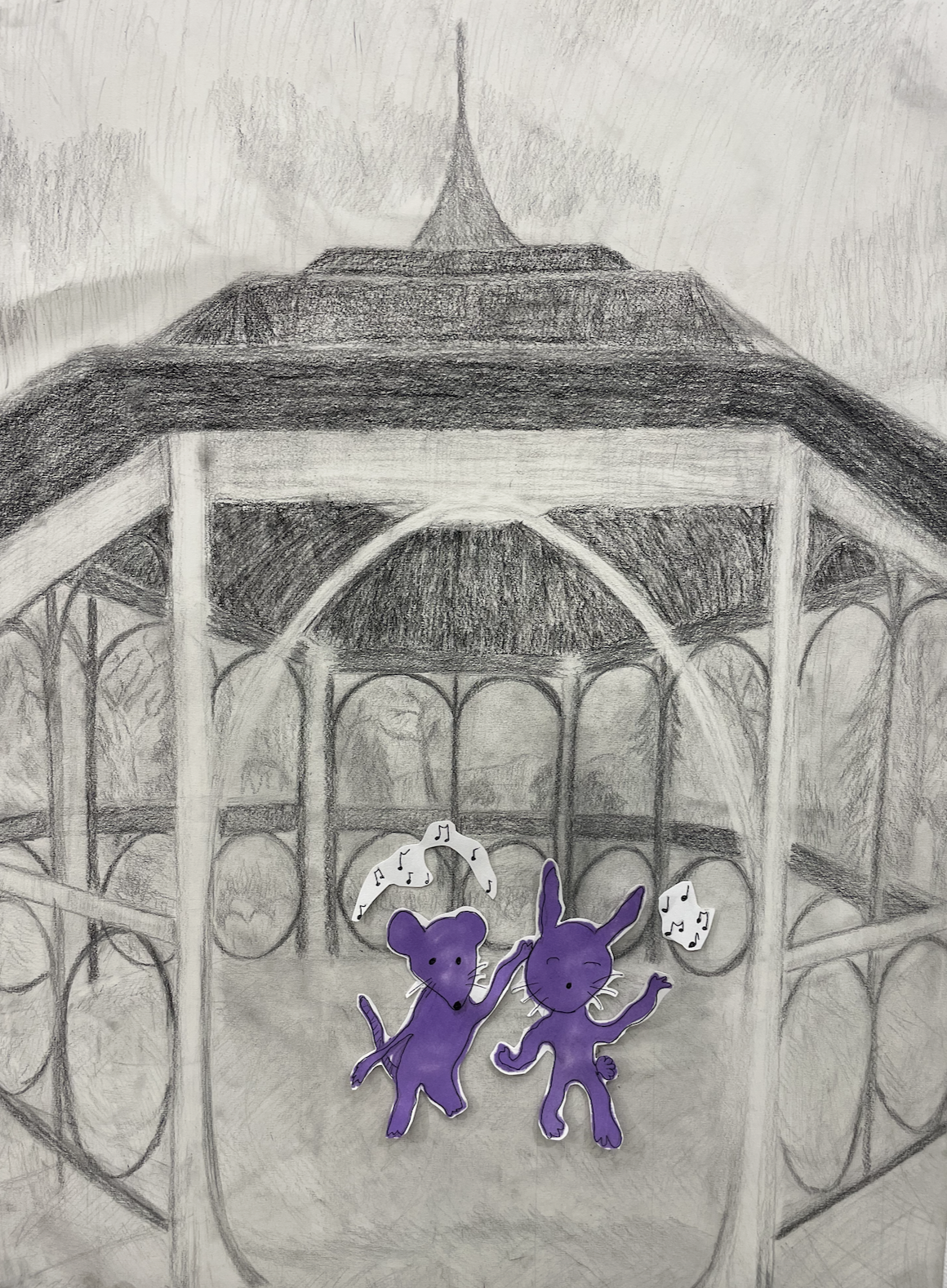
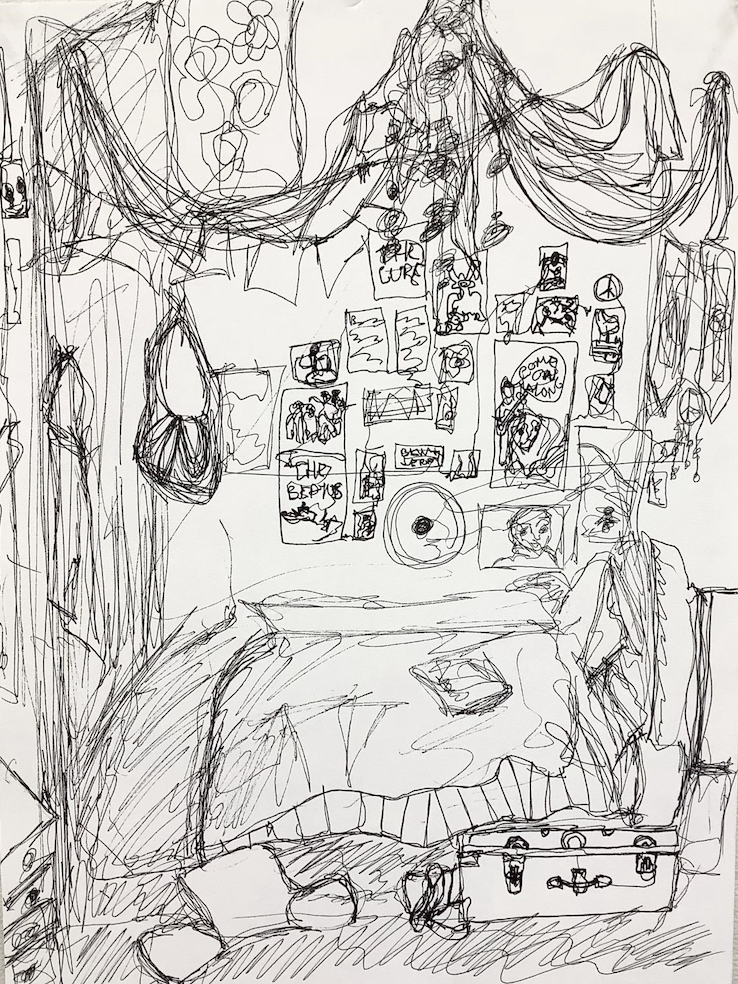
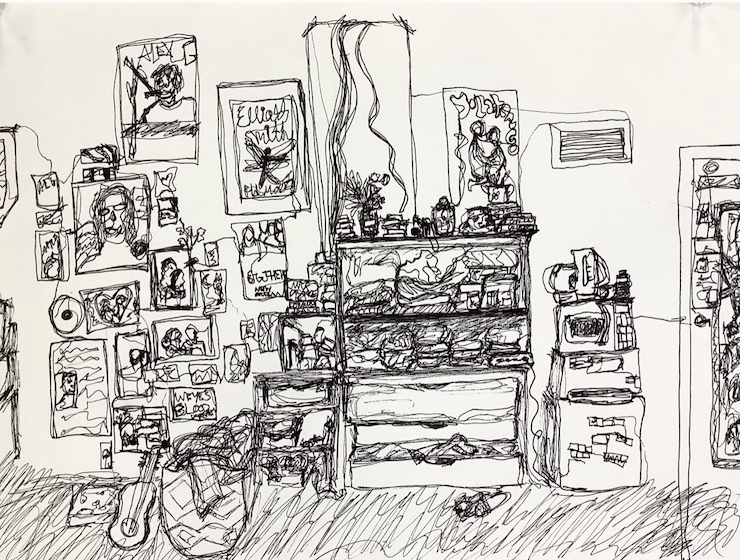
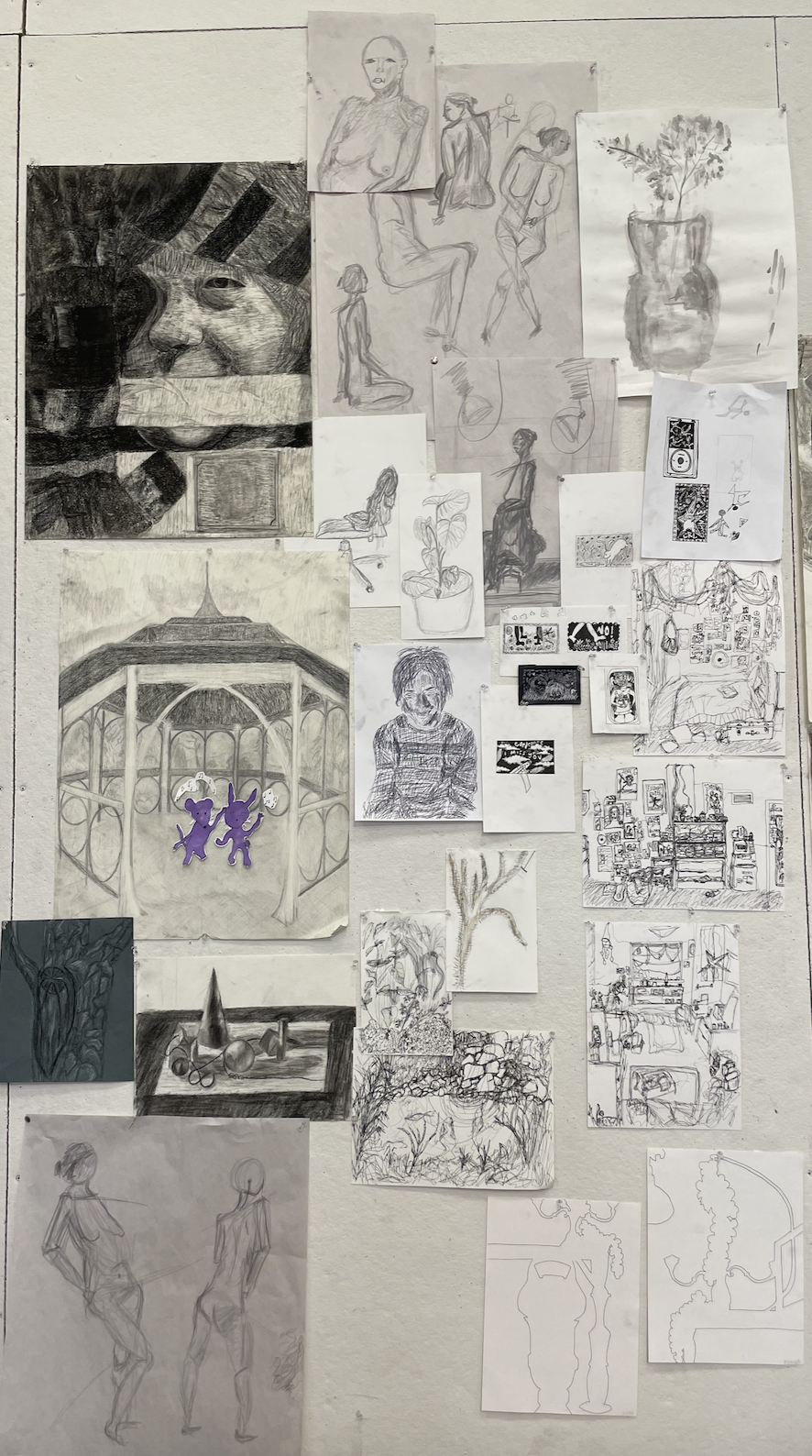
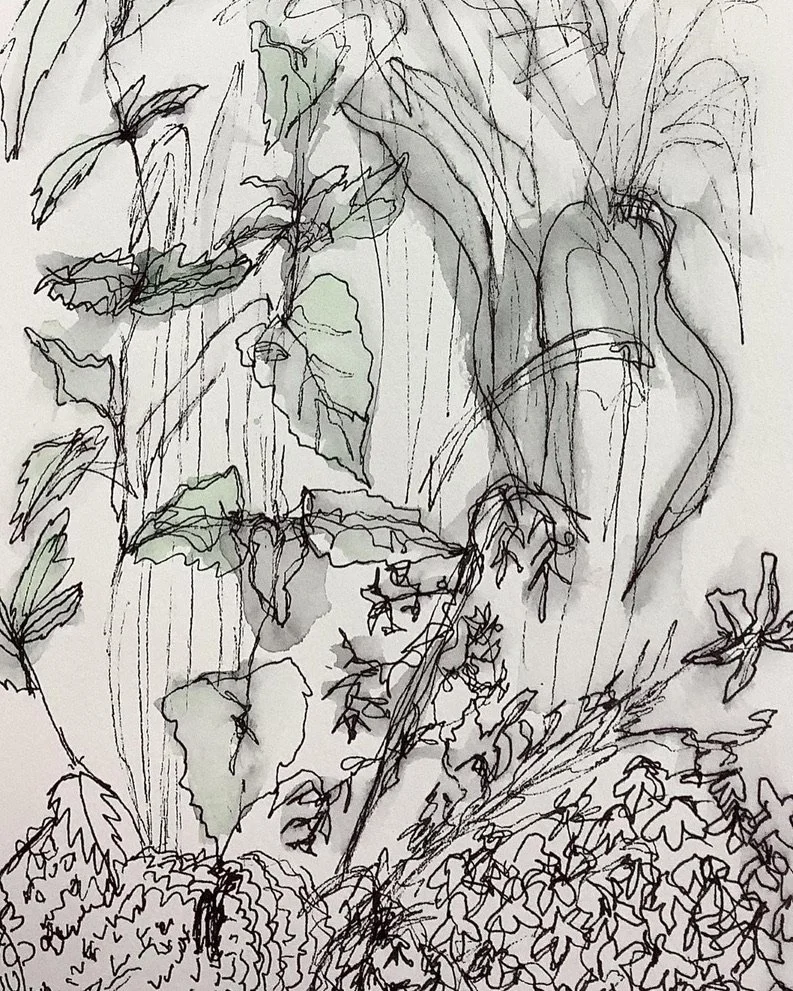
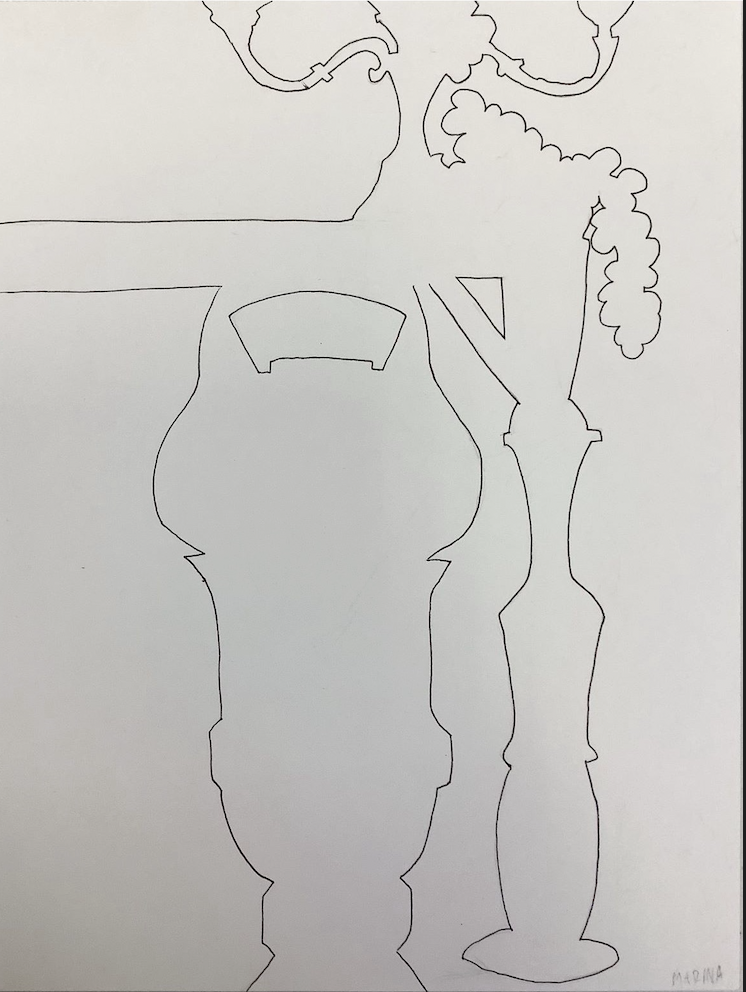
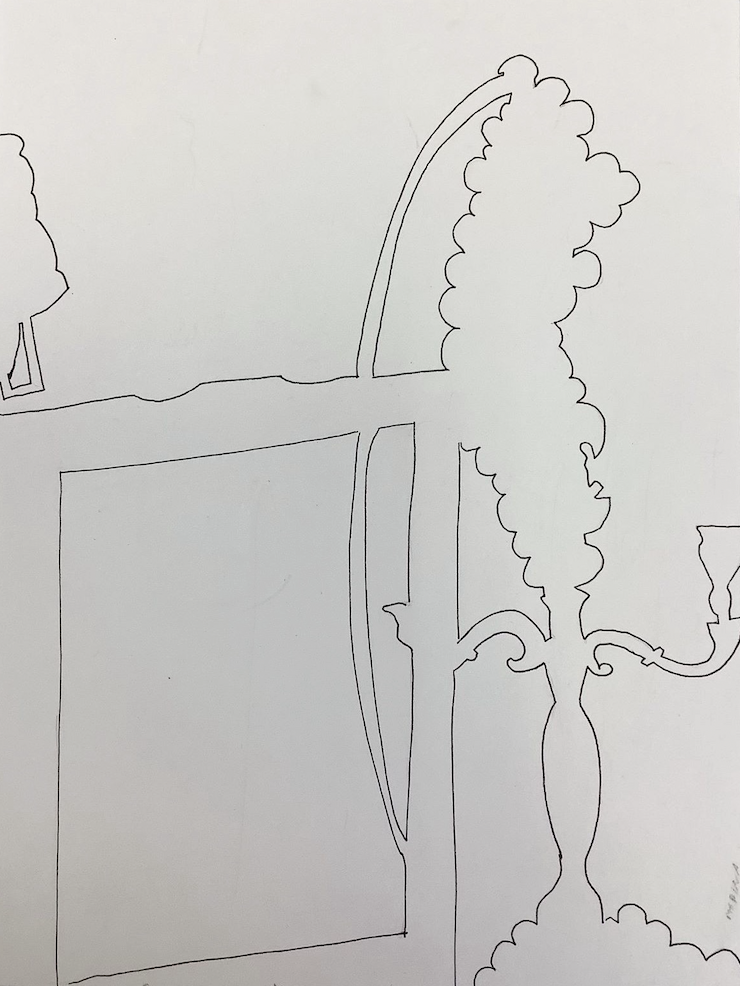
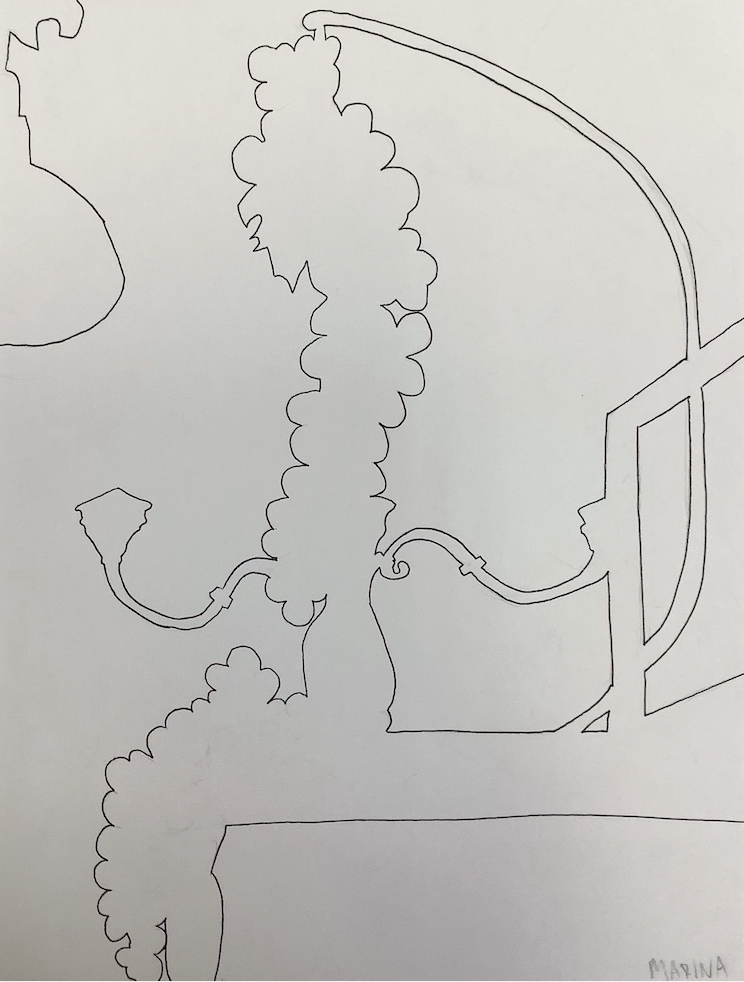
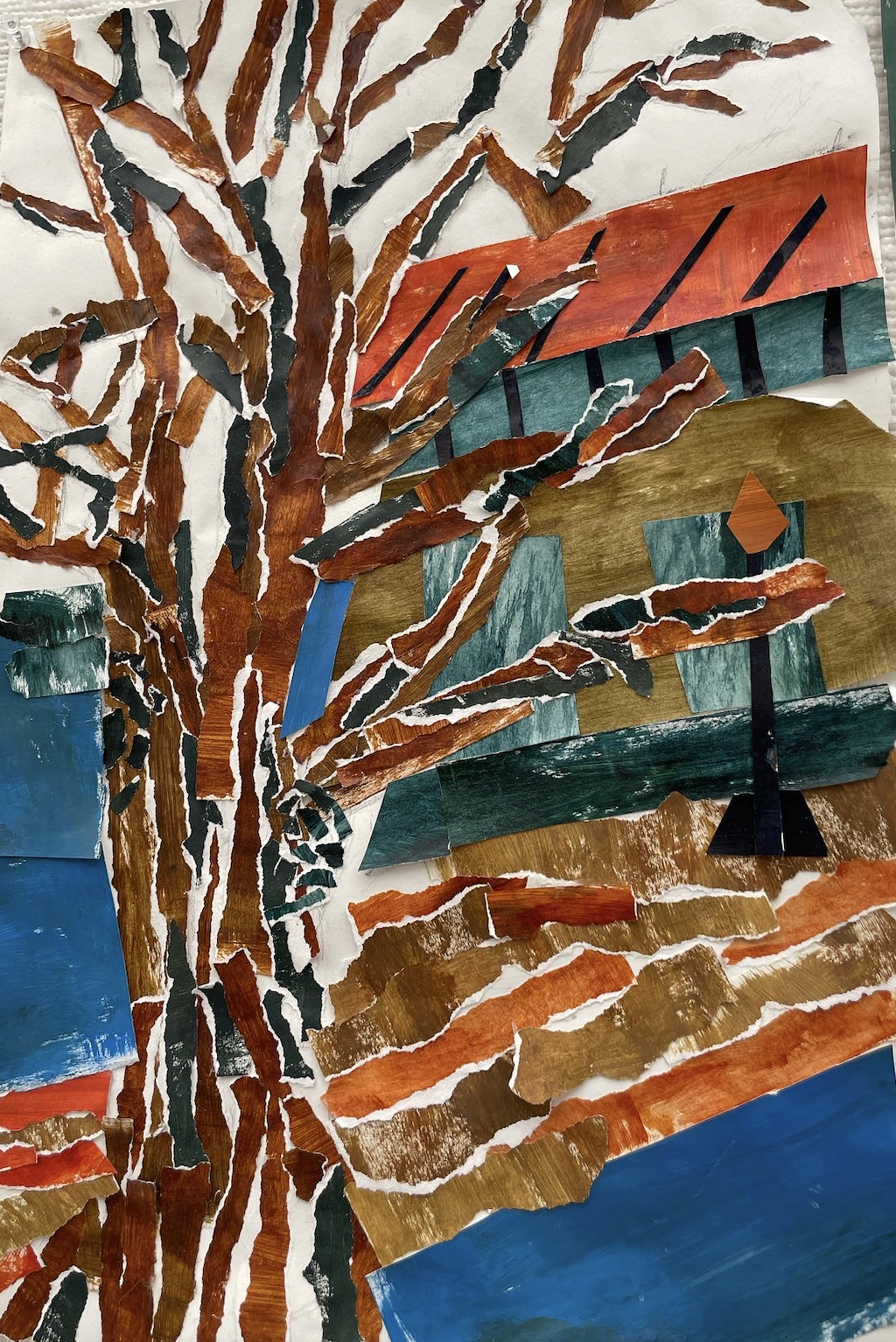
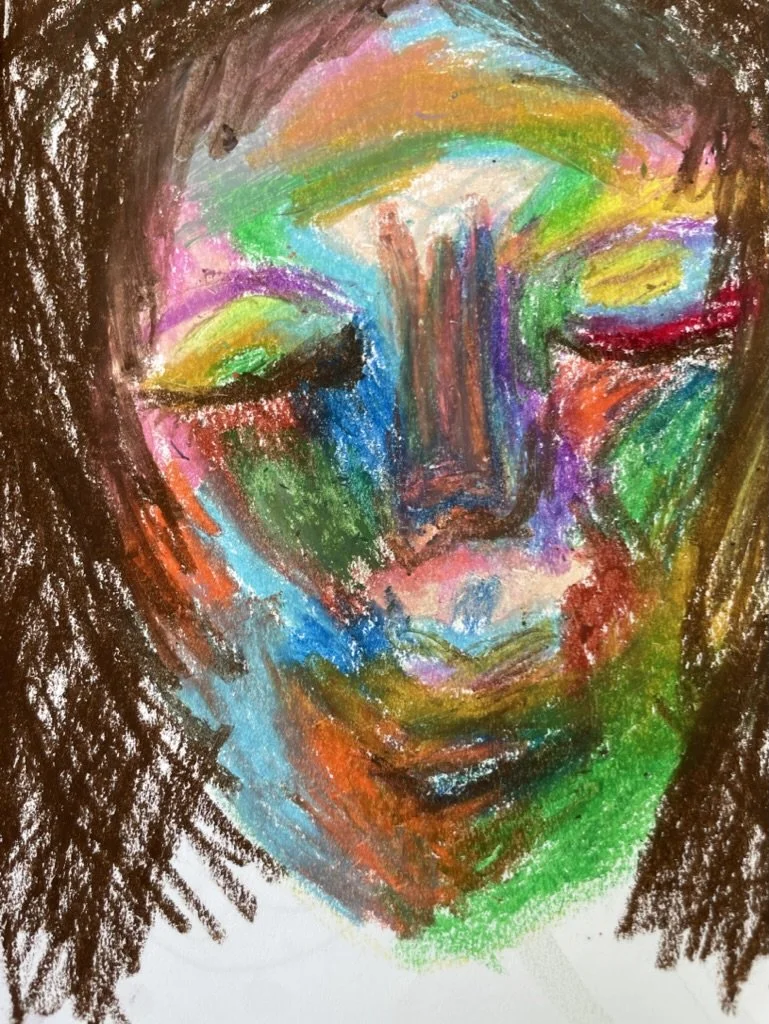
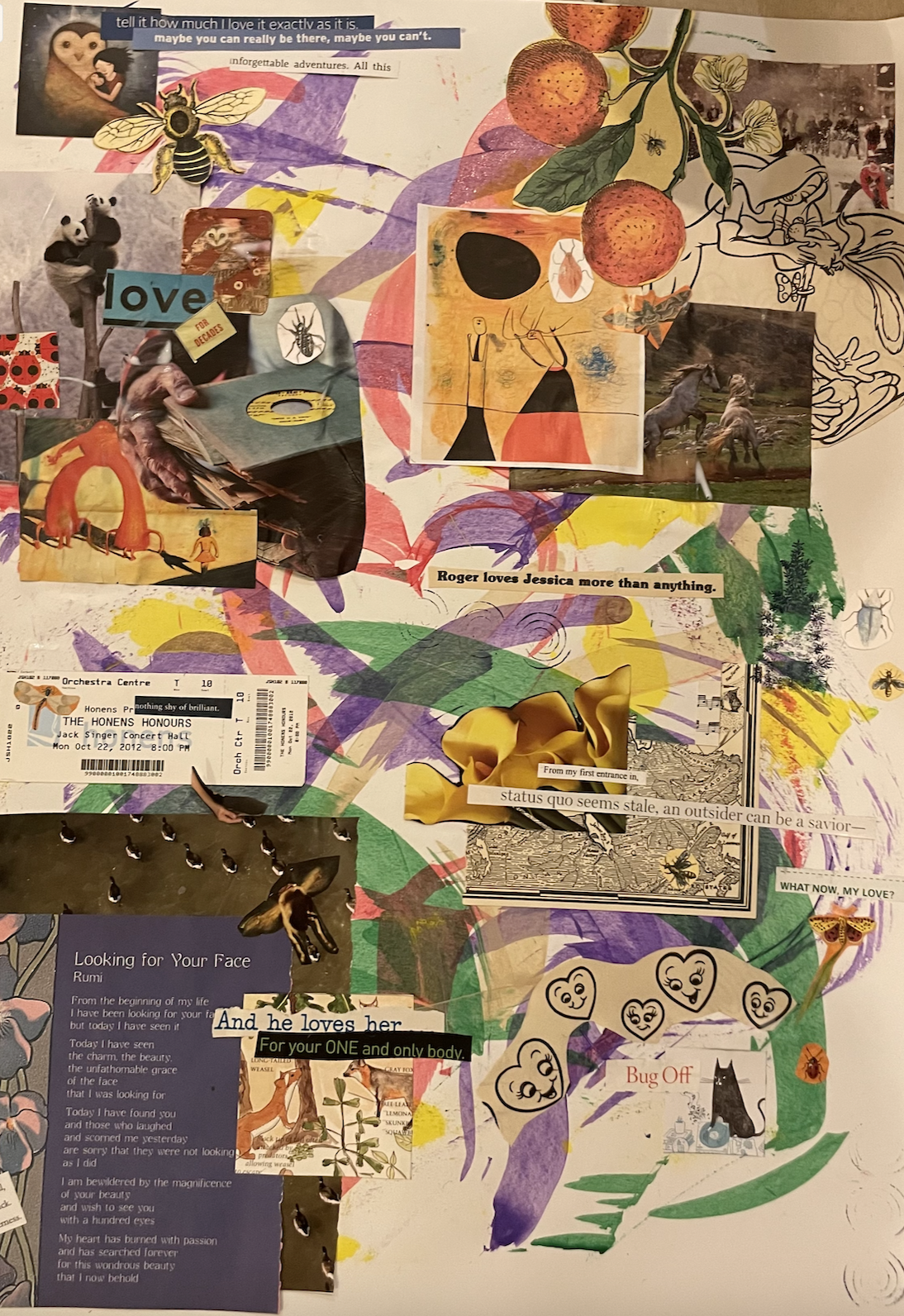
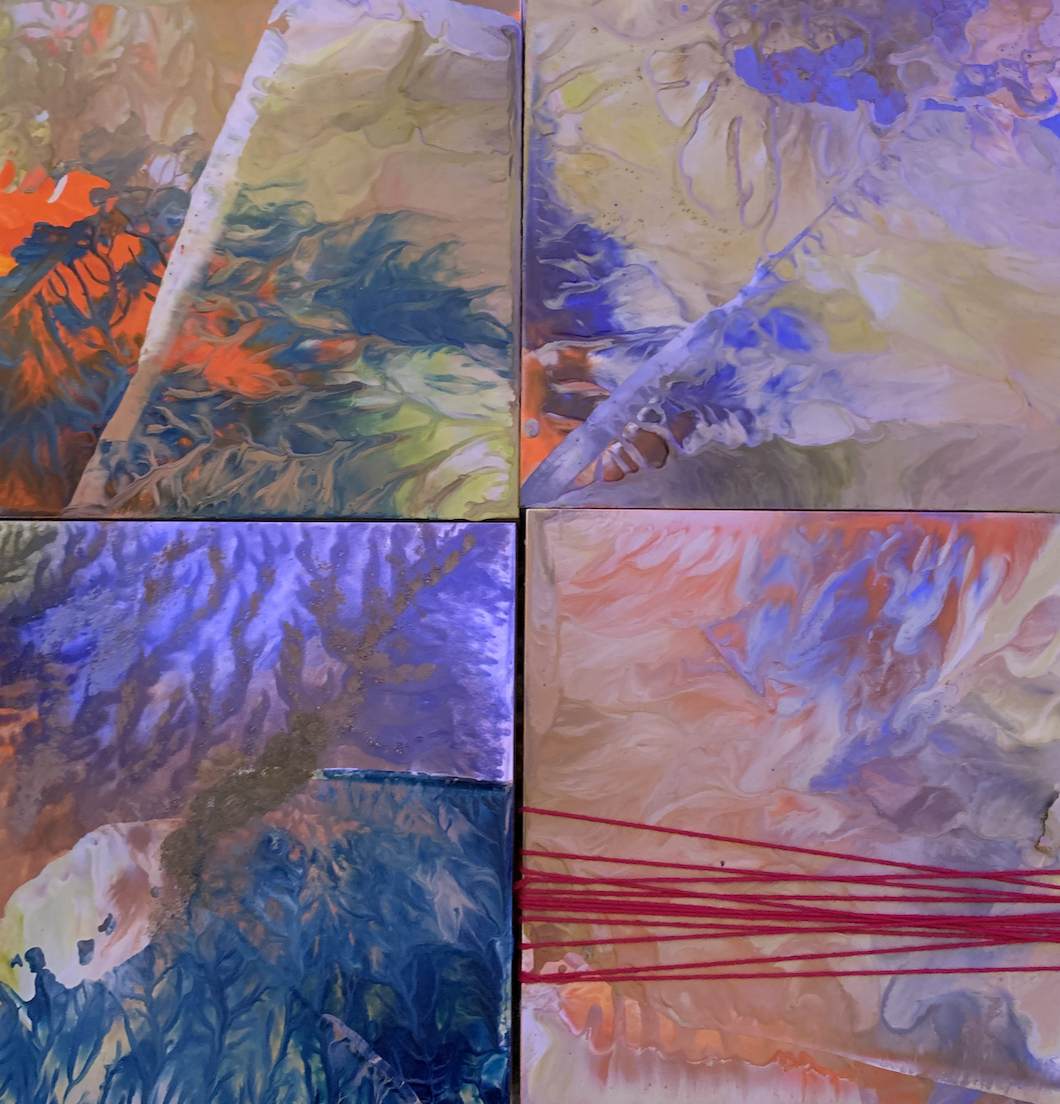
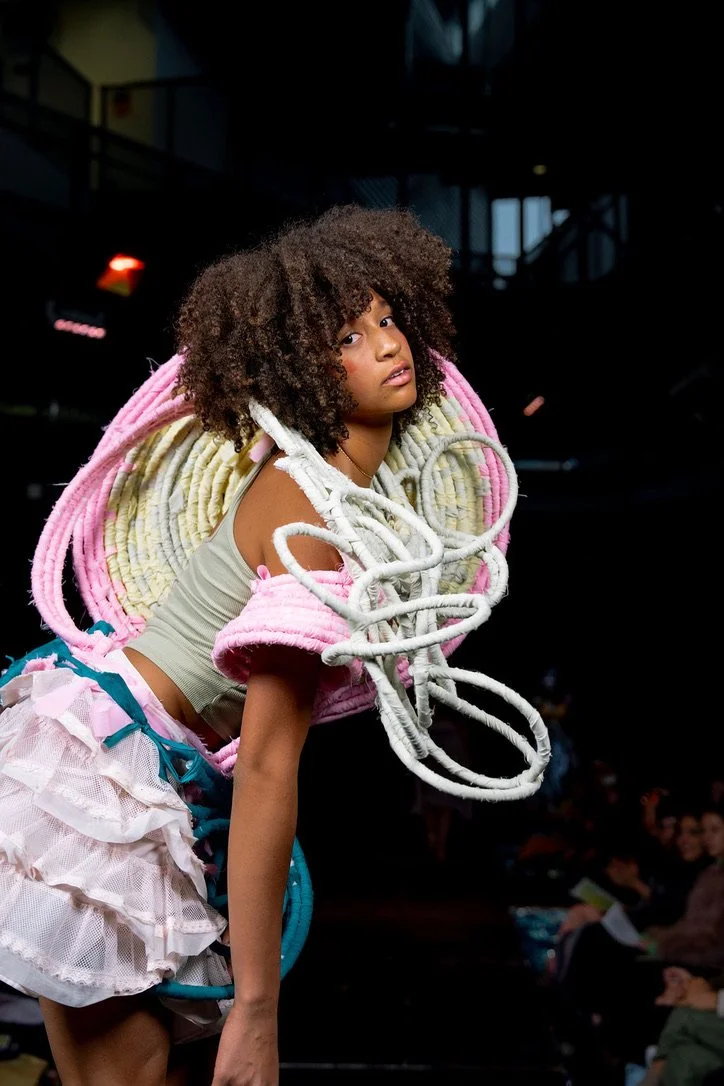
I am a multimedia artist who believes the heart of art and creativity lies in the act of making. For me, the studio is a space of exploration and reflection, where process matters more than outcome. I approach creativity as a therapeutic practice; one that allows emotions, stories, and curiosities to take shape through color, texture, and form. This process-centered approach not only shapes my own work, but also inspires how I guide children: encouraging them to embrace experimentation, trust their instincts, and see each step of creation as valuable in itself.
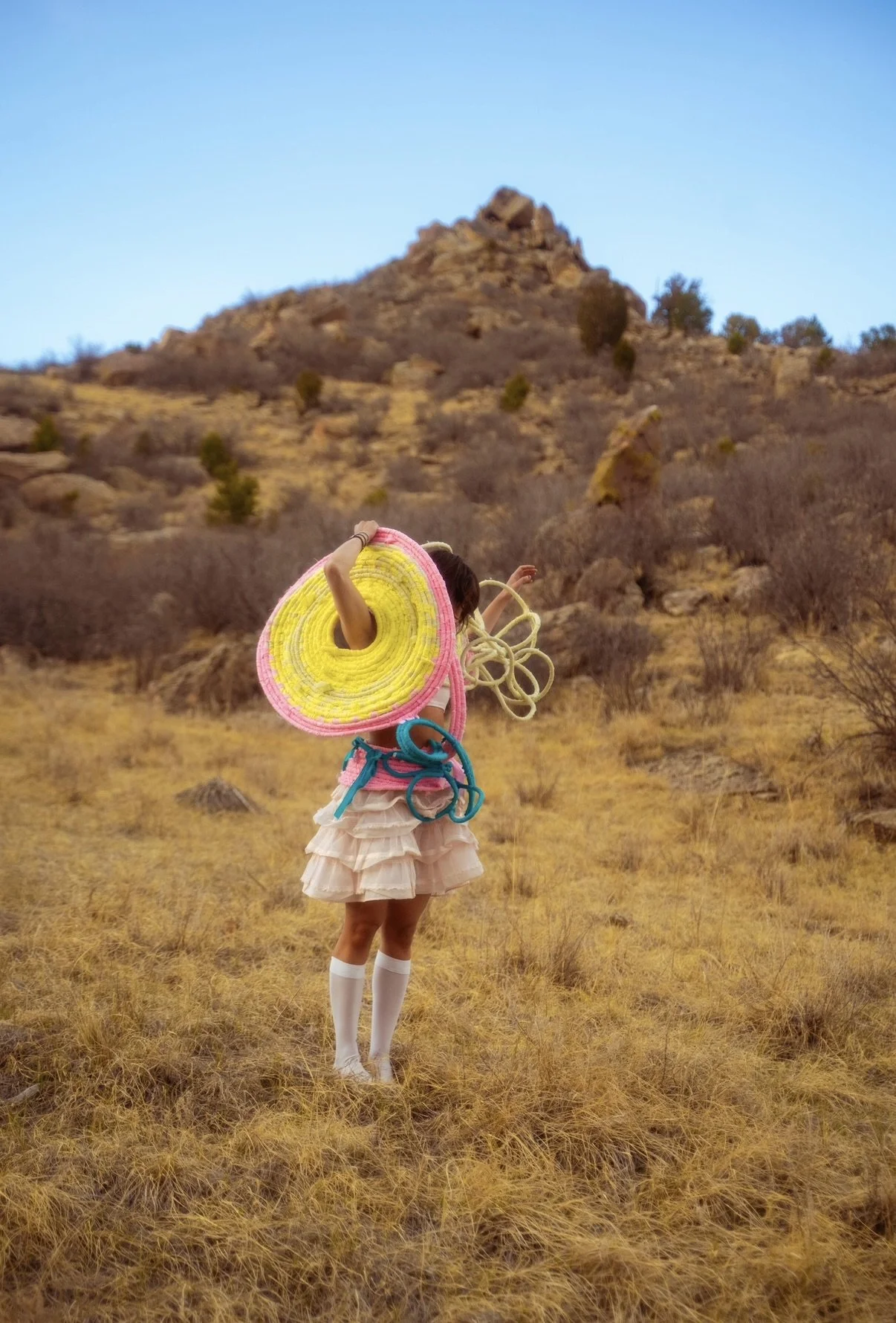
Grief twists, turns, and folds in on itself. Creativity can be the thread that unravels it.
In the first part of my thesis, I held art-making sessions with grieving college students. Each student reported that creating gave them a way to navigate and process their emotions related to their loss.
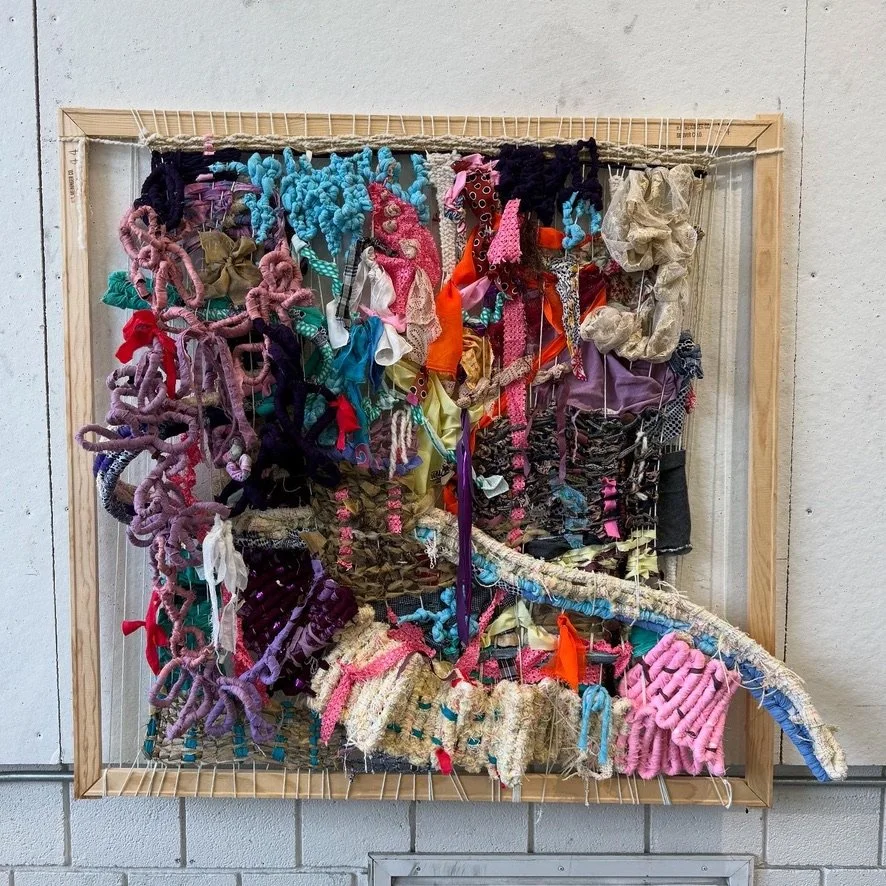
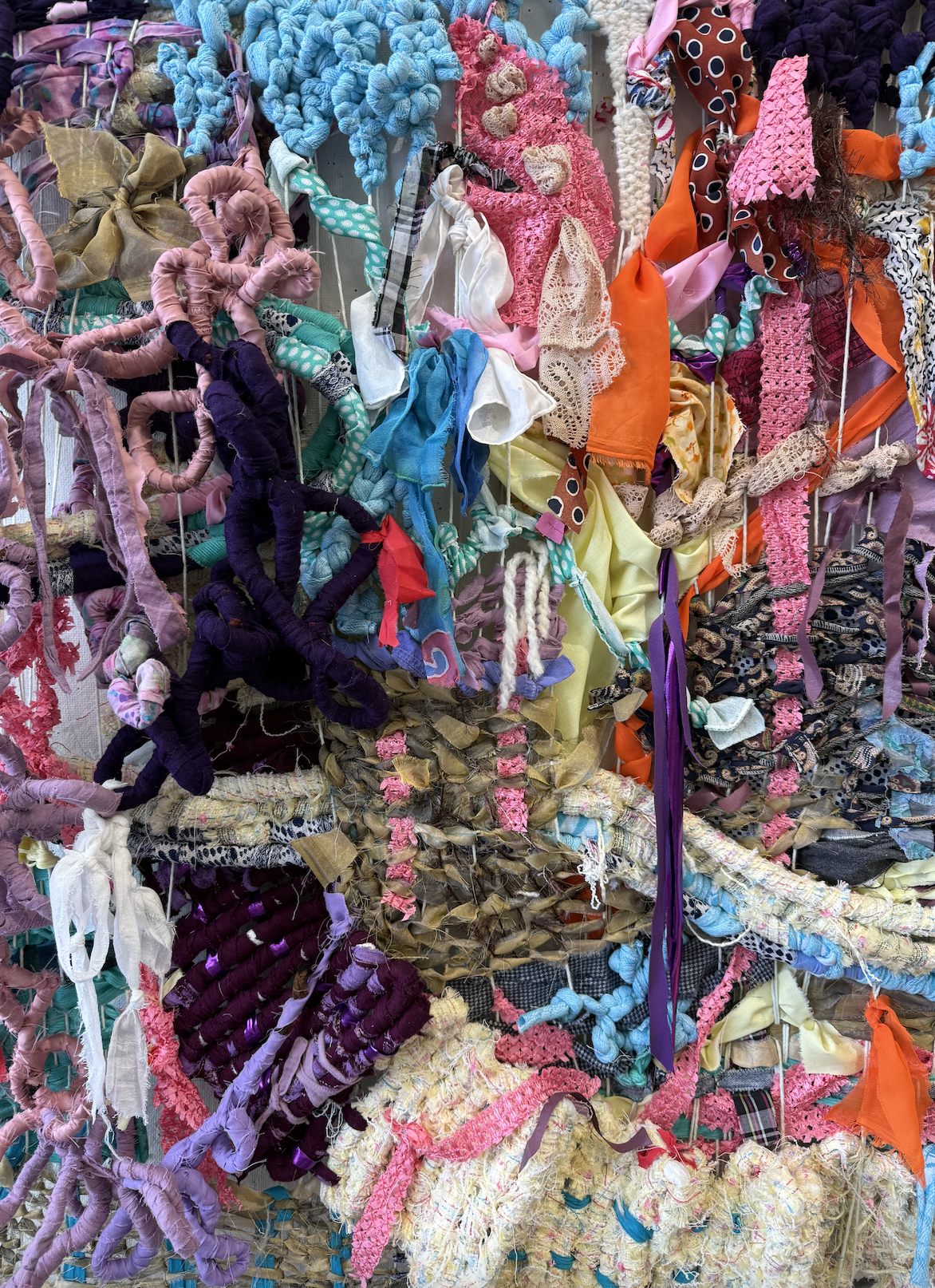
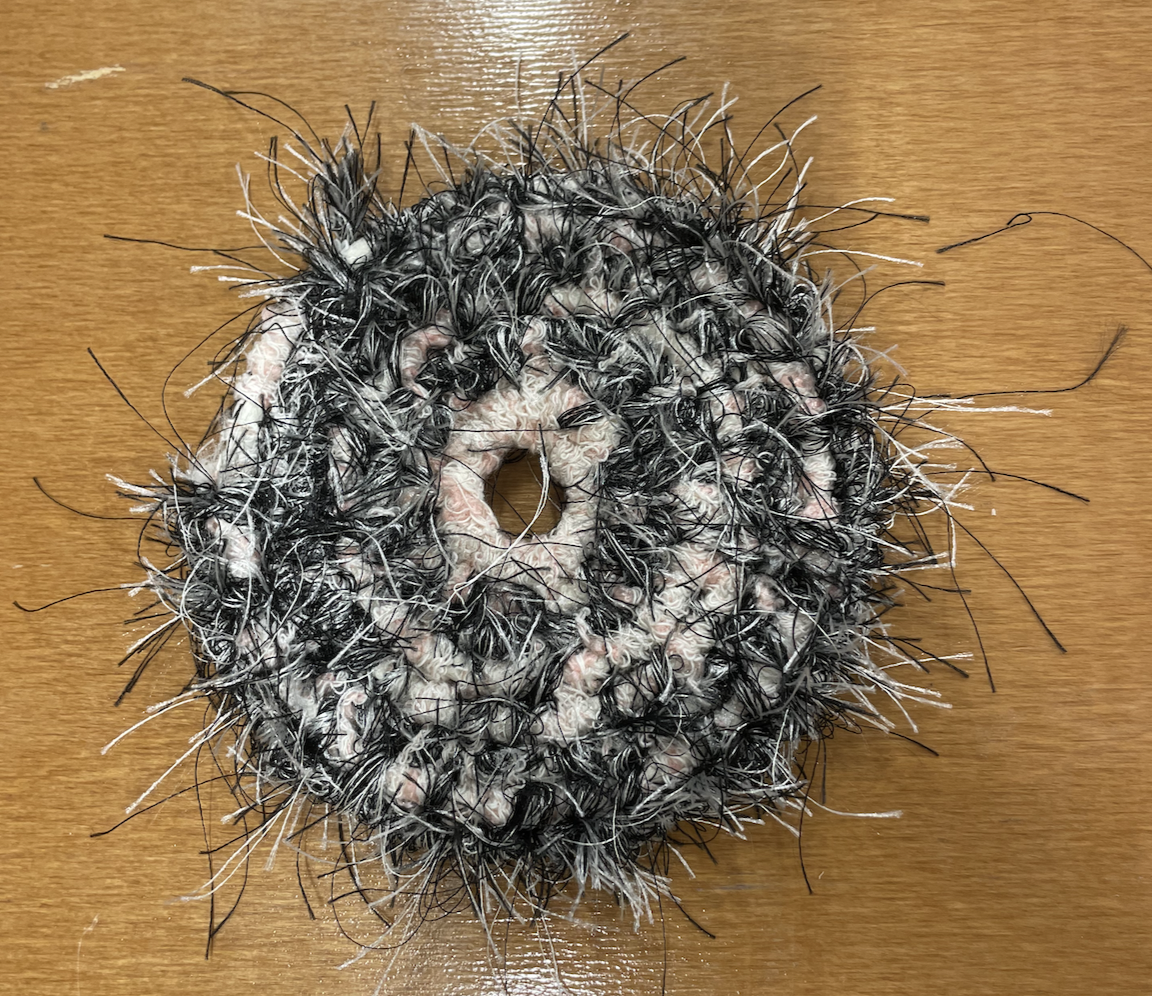
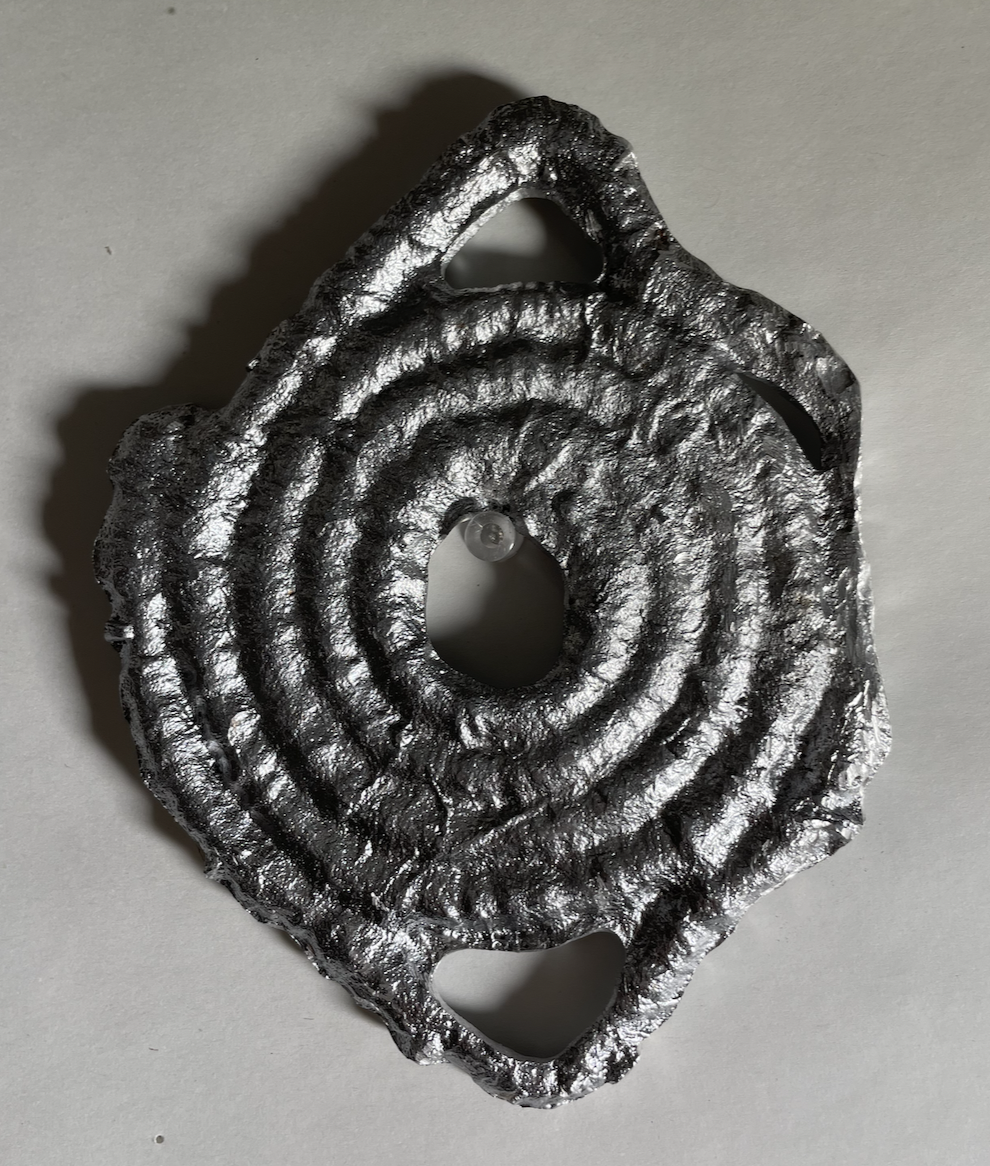
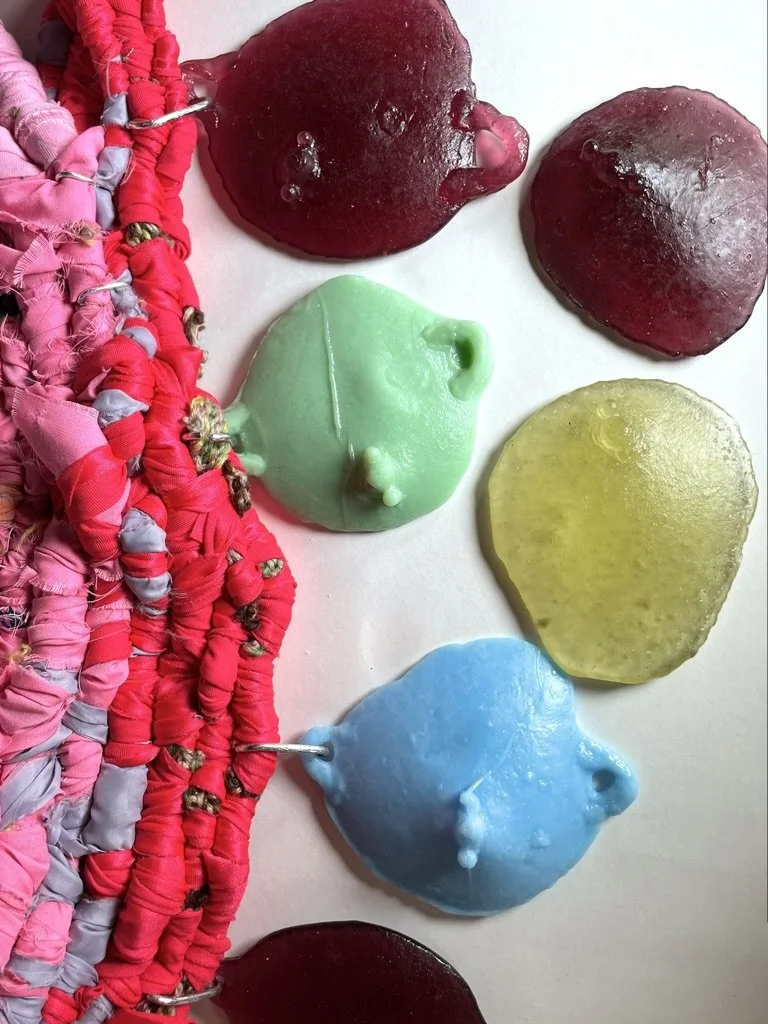
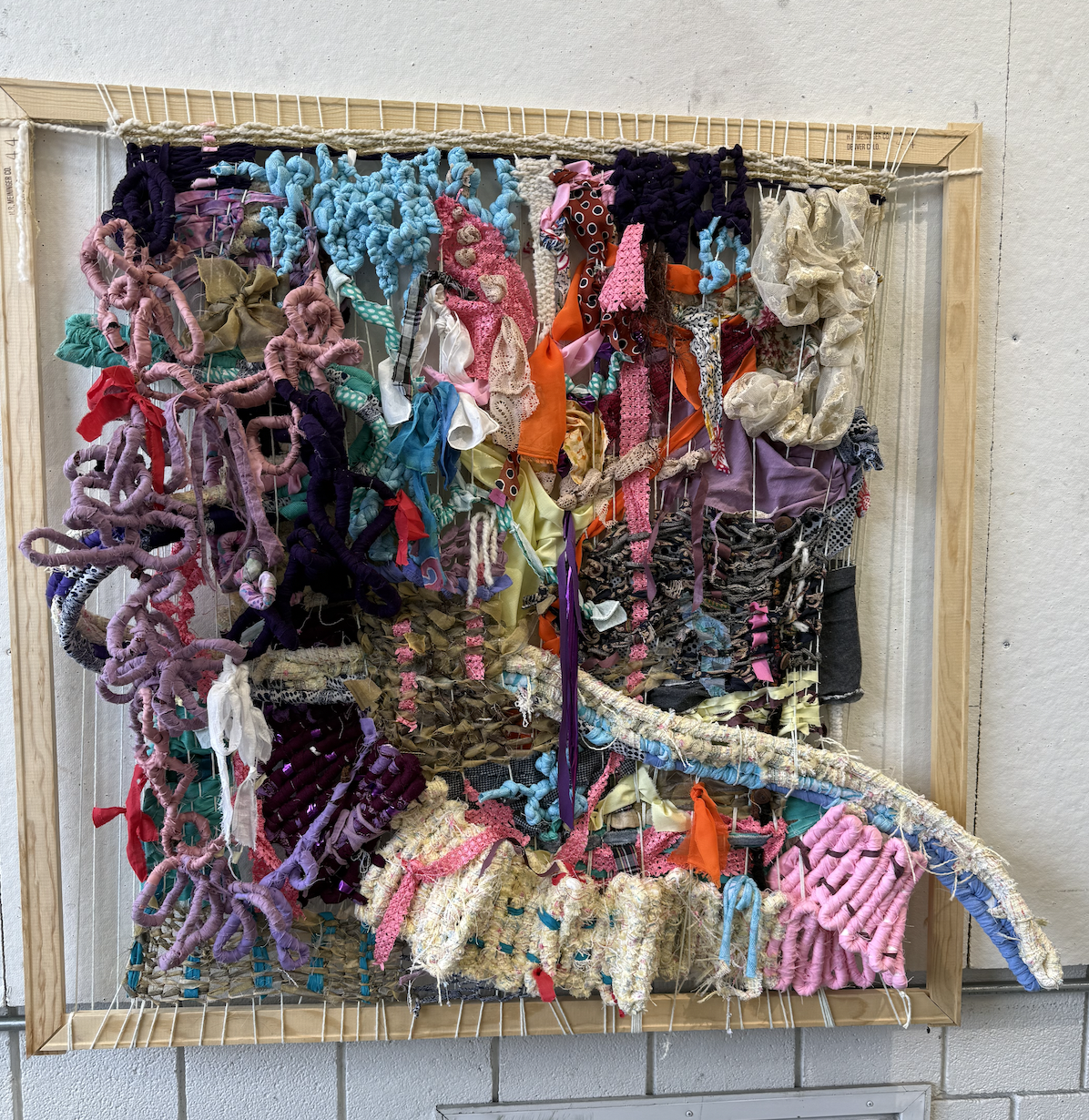
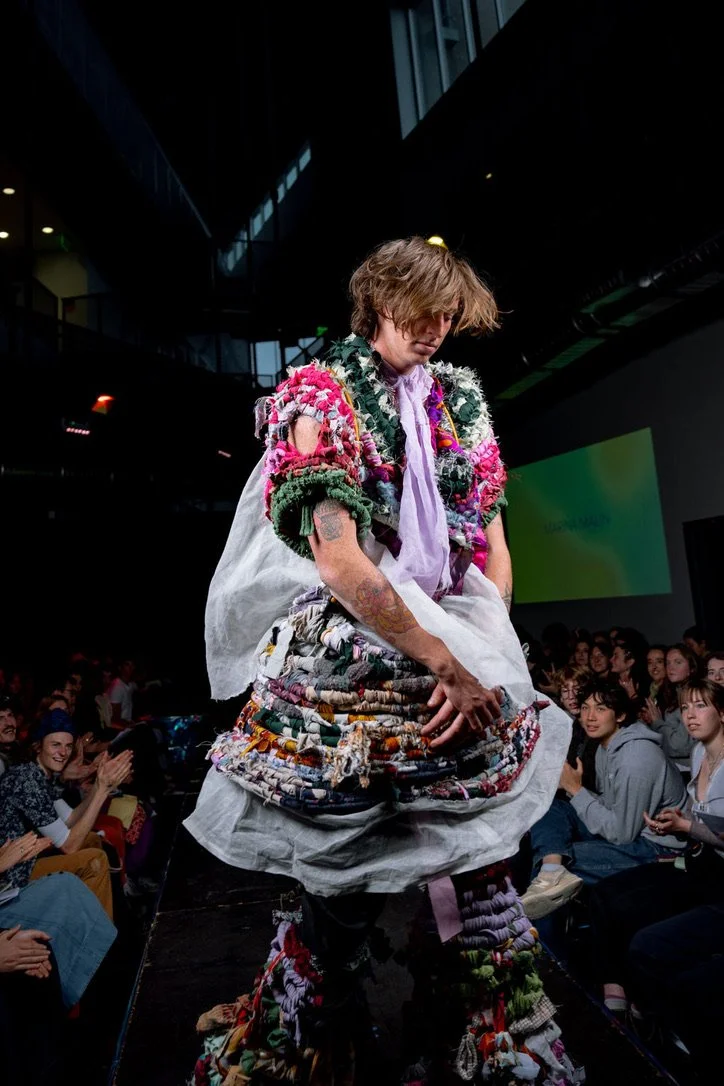
With this understanding, I set out to sculpt grief itself—not as a singular emotion, but as a process. My sculpture embodies the duality of grief: the tangled, inescapable weight of mourning and the release that comes with permission to explore.
The act of creating this sculpture became its own confrontation. I embraced intuitive making, allowing my own grief-related emotions to shape the form, rather than focusing on the aesthetic outcome.
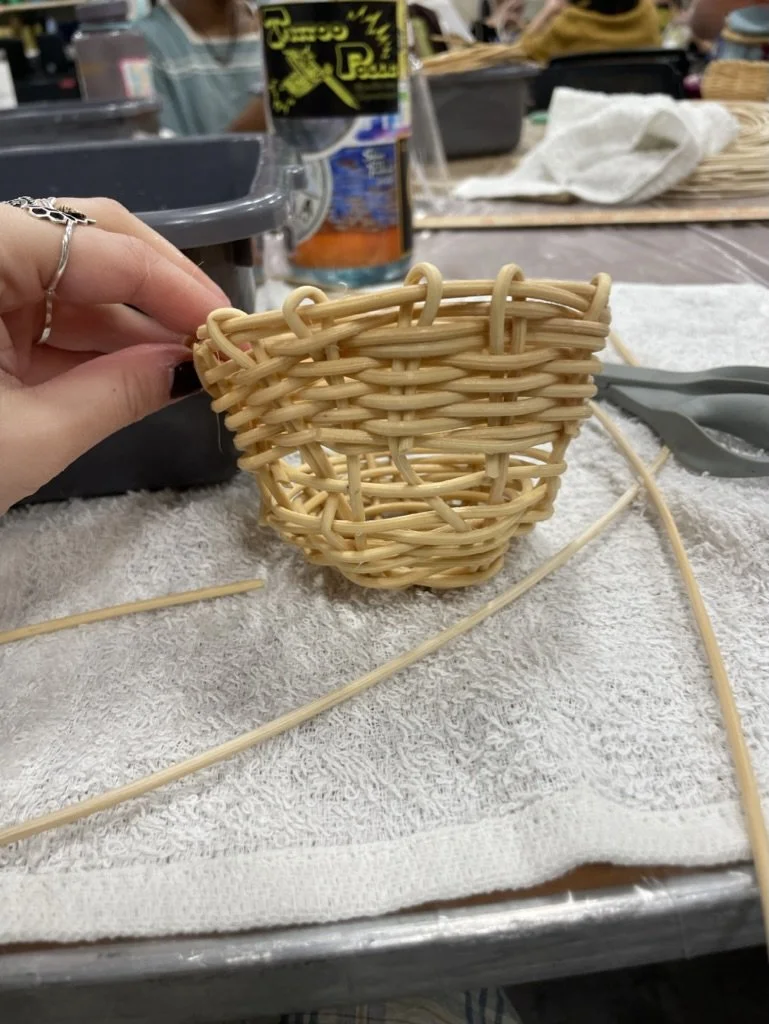
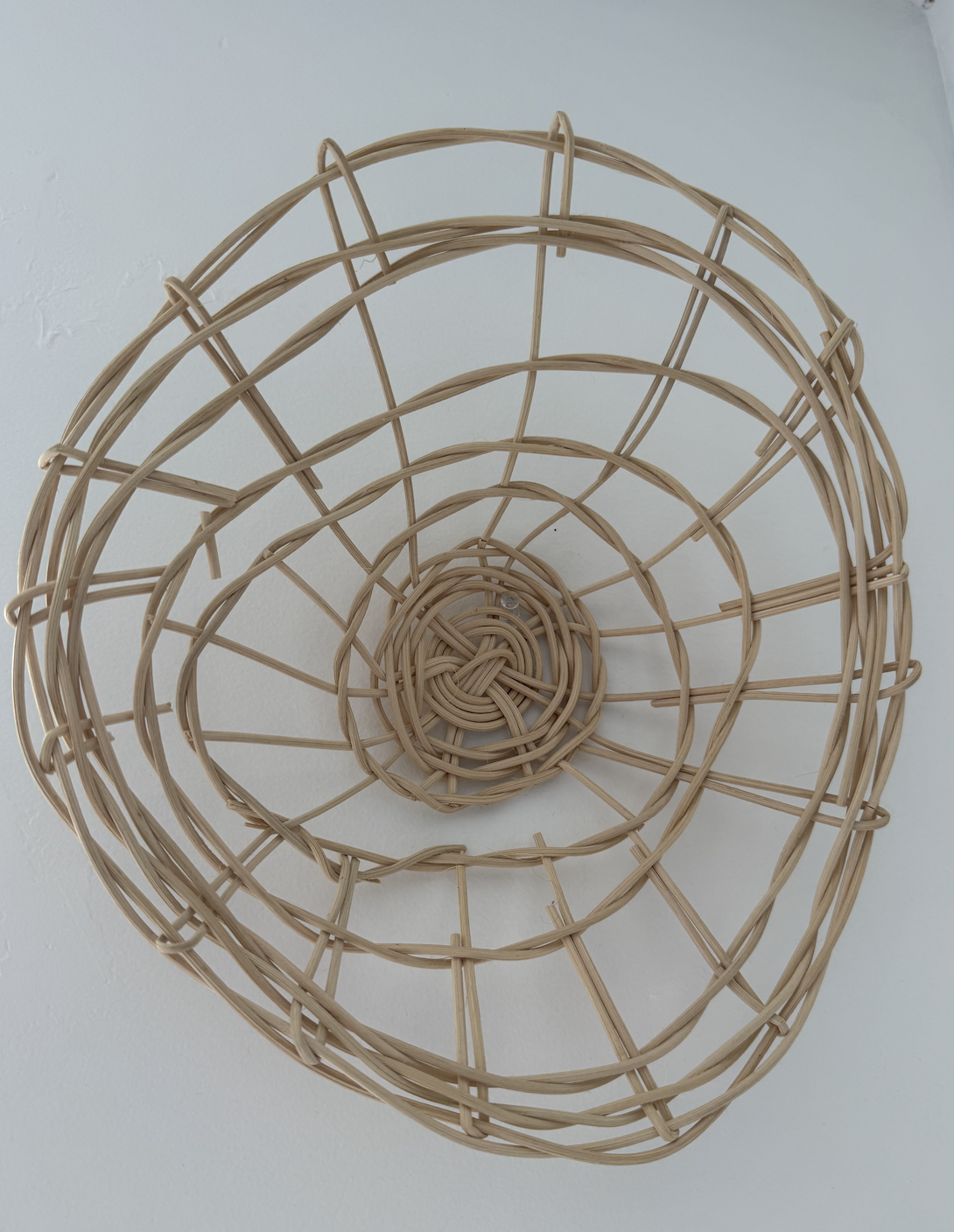
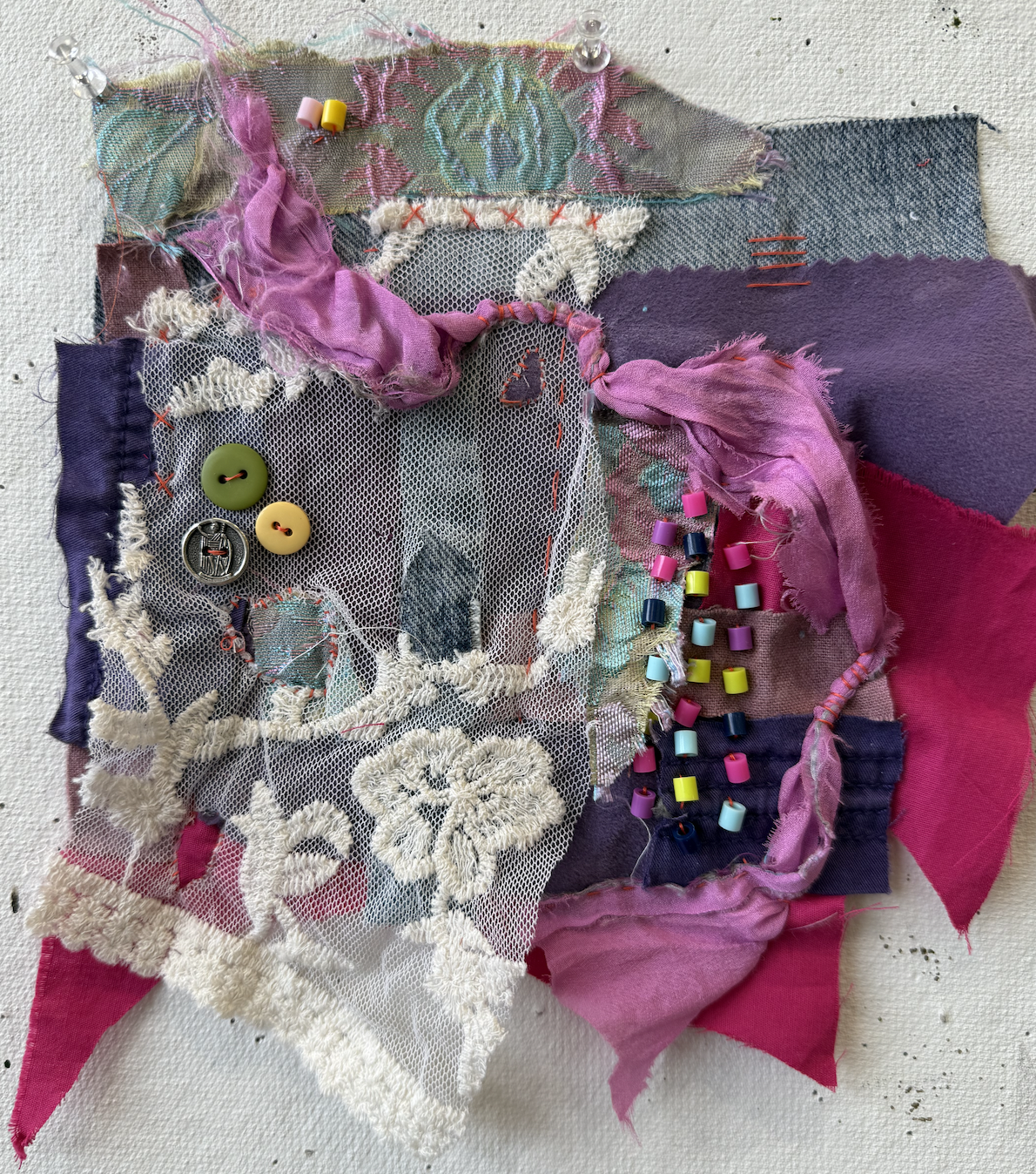
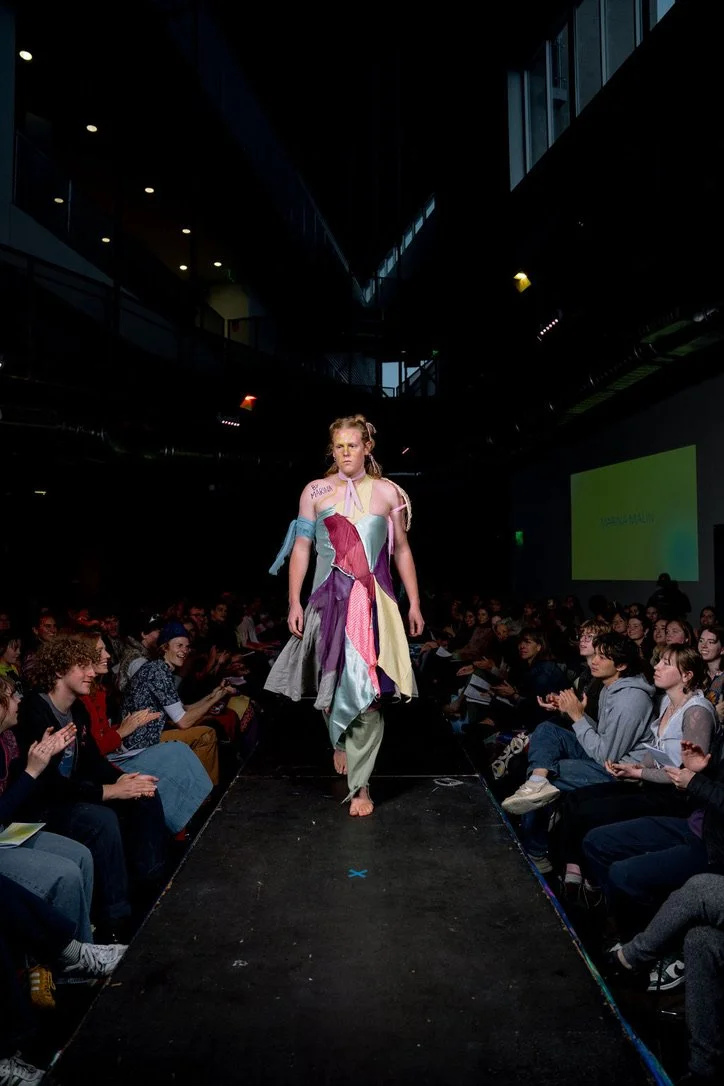
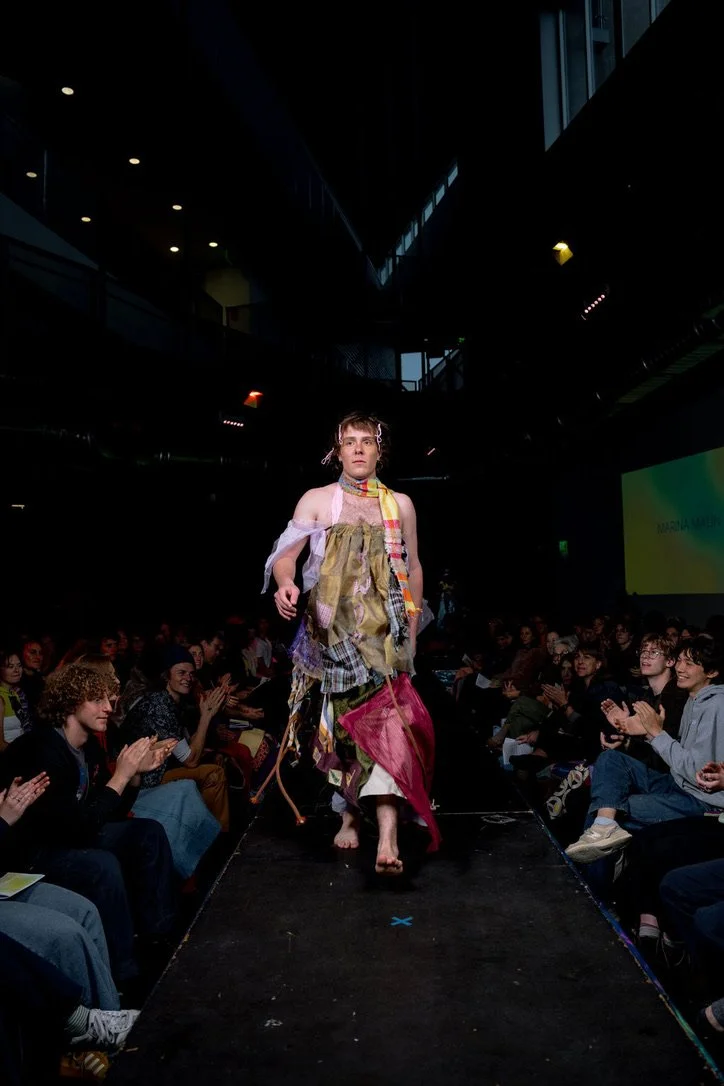
My studies in The Practice and Theory of Creativity have taught me that creativity is not just about making—it is about problem-solving, adaptation, and interdisciplinary exploration. Drawing from basket-weaving techniques I learned at CC, I wove together salvaged scraps of fabric that make up my own loss and healing, using this interdisciplinary approach to the creative process.
This sculpture is both a reflection and a release—an embodiment of loss that is held, honored, and processed.